 Dodda
DoddaSmall business is how AI keeps its promise.
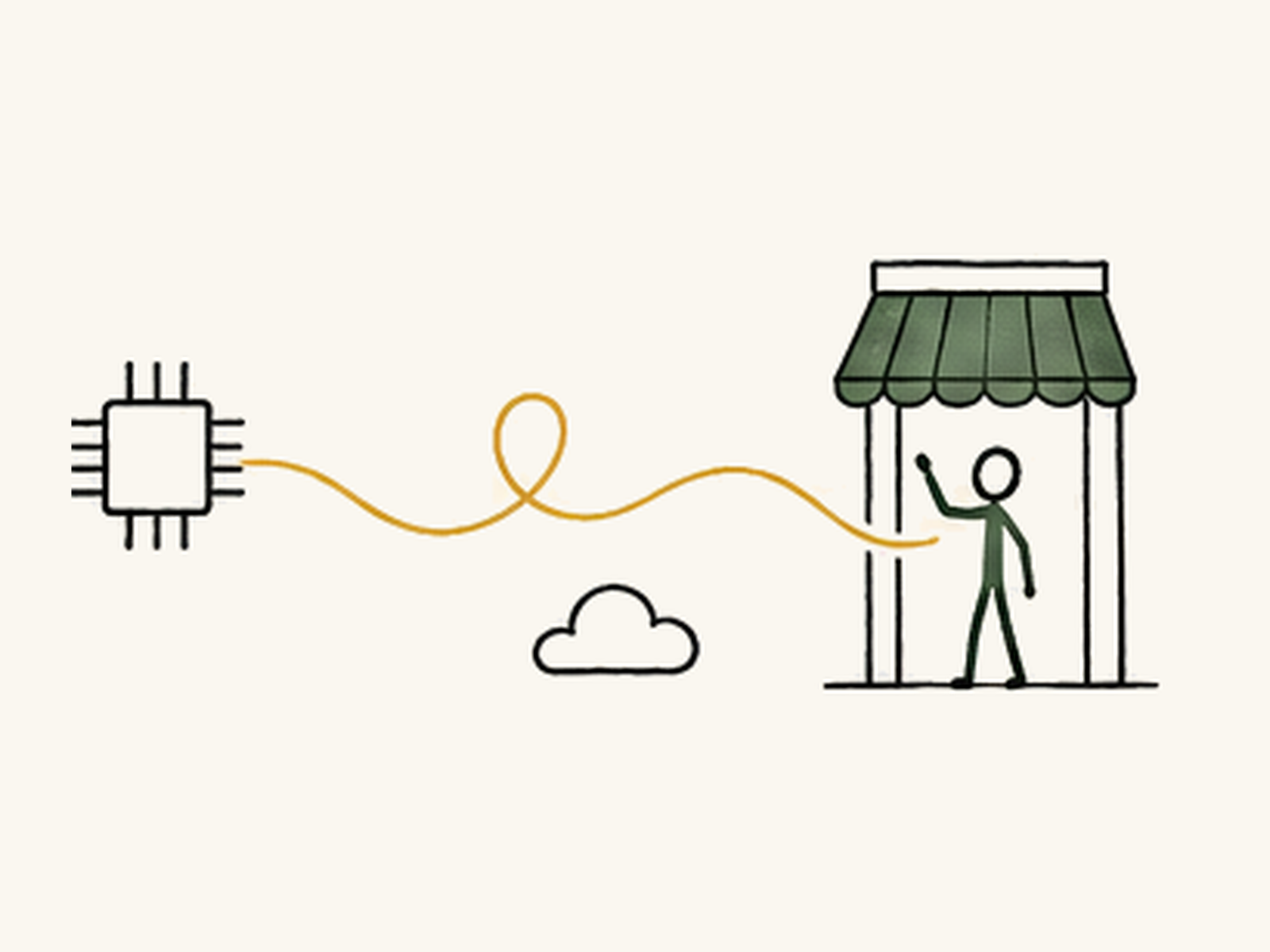
Everyone keeps asking what AI is really going to do for us. You tend to get two kinds of answers. One is a little scary. The robots are coming for your job. The other is a little vague. Everything will be better somehow. Let me try to be specific, because I think the honest answer is more hopeful than the scary one and more concrete than the vague one. And it runs through a place nobody expects. Your corner store.
Start with the promise. Strip away the noise and what does AI actually promise a normal person? Not a chatbot. Cheaper, cooler, tastier, and more to choose from. A better world of everyday things. Better food, better goods, better service, at prices that make sense, with more options than ever. That is the promise worth caring about.
Now here is the part people miss. AI does not hand that to you directly. You are not going to download abundance. The promise arrives through businesses. Specifically, through the ones that make and sell you the stuff of daily life. And most of those, the good ones, the interesting ones, the ones with a real person behind them, are small.You are never going to download abundance.
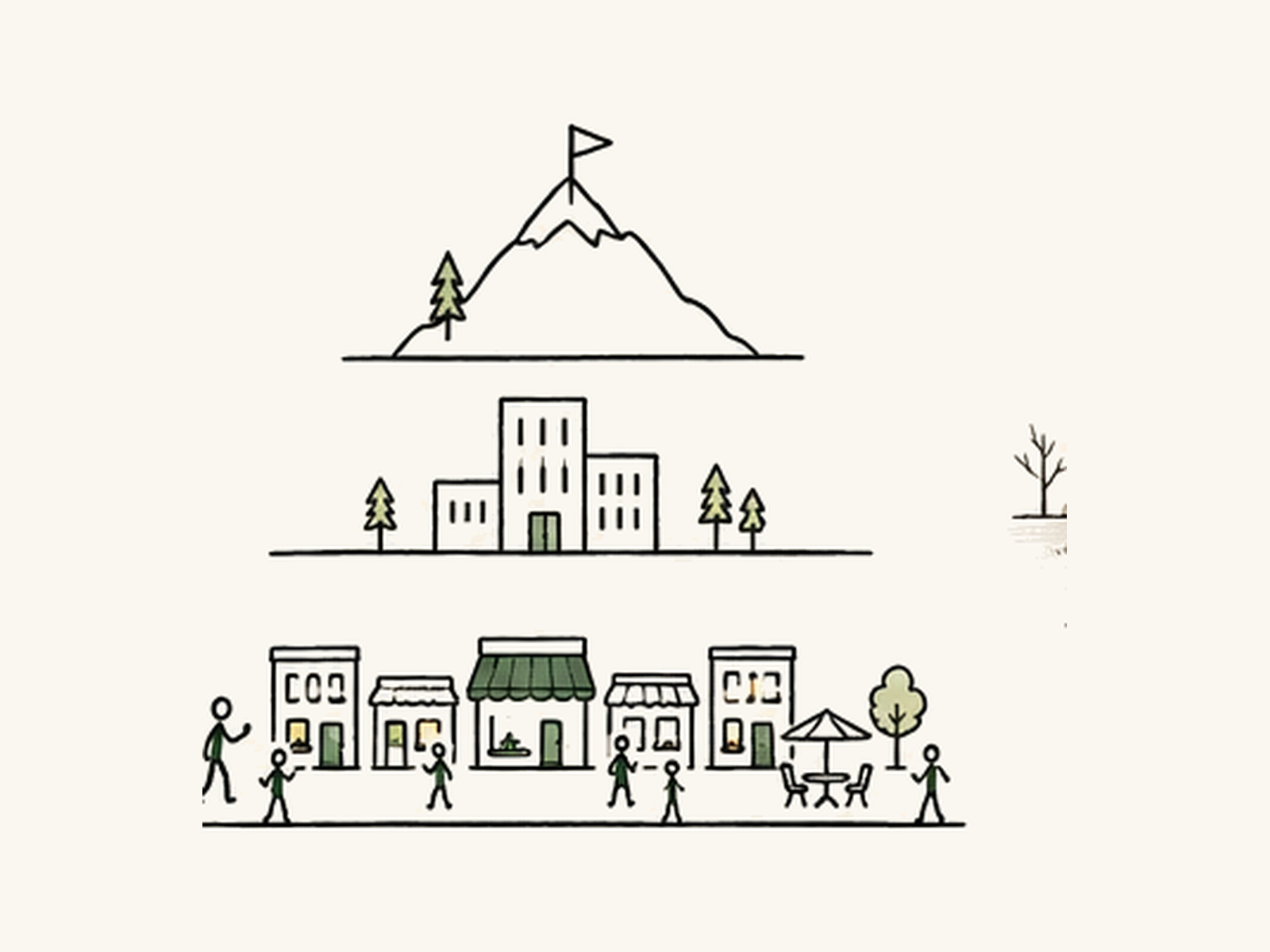
Think about where AI's value actually lands. There are really three layers.
At the top, the model and infrastructure companies. They build the engines and sell the shovels, and they will make an enormous amount of money doing it. Good for them, genuinely.
Then the frontier. AI is going to crack things we simply could not crack before. Robotics. Drug discovery. Cancer research. Maybe space. Brand new value that never existed. Incredible, and mostly out of our hands.
Then everyone else. And this is the big one, even though it gets the least attention. Most of AI's value will never show up as you using AI. It will show up as the world quietly getting better and cheaper because AI is baked into how things get made and run. That is the pass-through, and it is enormous. It is where the promise actually lives for regular people.Picks and shovels at the top. The pass-through is where you live.
But pass-through value has to pass through something. It has to pass through a business that takes the cheaper tools and the better capabilities and turns them into a better product for you. A bakery that can finally run like a big company for a fraction of the cost. A maker who can design, source, and ship the way only large brands used to. A shop that can offer more, for less, and still keep the lights on. The small business is the last mile between a breakthrough in a data center and something better in your actual life.
Which means the whole promise depends on one thing that has nothing to do with the technology. It depends on there being enough thriving small businesses to carry it.
And this is where it gets interesting, because they need to grow in two ways.
More of them. Number is what gives you variety, choice, and competition. More businesses making more things means more options and more pressure to keep it good and keep it fair. Cheaper and more to choose from are the same wish. And the answer to both is more businesses.Cheaper and more choice are not two wishes. They are one.
And bigger. Size is what gives each one the capacity to do more, and do it better. A small business that can grow can serve more people, take more swings, and get more of the good stuff to more of them.
So picture the two futures.
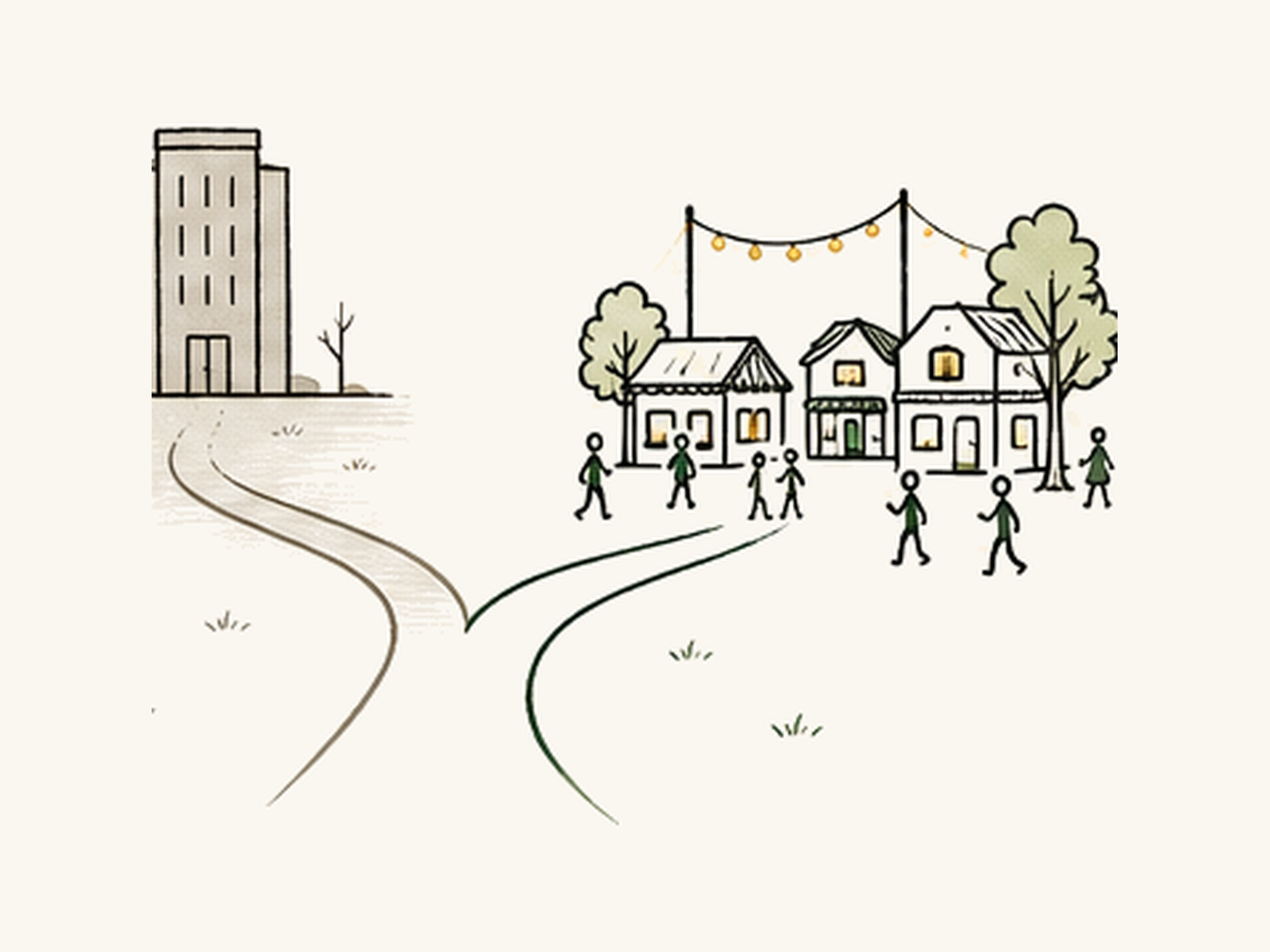
In one, the long tail stays thin. A handful of giants absorb AI, get radically more efficient, and sell you cheaper stuff. You save a little money and lose almost everything else. Fewer new businesses. Fewer places that only exist because one particular person willed them into being. Fewer jobs that are not inside a giant. The prices come down, and the world gets a little flatter and a little more boring. That is the promise arriving hollow.
In the other, the tail is thick and it thrives. AI's gains flow through millions of small businesses that turn them into cheaper, cooler, tastier, and more to choose from. New shops open. Good ones grow. People build things that are theirs. The savings come with dynamism, variety, jobs, and character. That is the promise arriving whole.
The difference between those two futures is not the technology. The technology is coming either way. The difference is whether the long tail of small businesses is healthy enough to carry the promise the last mile.
So what does a small business actually need to play that role? Two things, and they are humble.
It needs to see clearly. To take on new tools and grow, an owner has to actually understand their business. Their real numbers, their real margins, their real cash. Most do not, and not because they are careless. Because nobody ever built them the clarity. That is fixable now, and cheaply.
And it needs to reach capital. Growing costs money, and the businesses that need it most are the ones capital has never been able to see. Make them legible, and the money can finally find them.
Clarity and capital. That is the unglamorous infrastructure underneath the whole hopeful story. Give a small business those two things and it can absorb what AI offers and pass the benefits on to you. Withhold them, and the promise stalls out at the top, where the value concentrates and stays.The two humble things underneath the whole story.
I know which future I want. One with more people building, more places worth going, more good things for less, and an economy that spreads its winnings out instead of piling them up. That future does not run on models alone. It runs on small businesses, seen clearly and able to grow.
AI will make the promise. Small business is how it gets kept.